


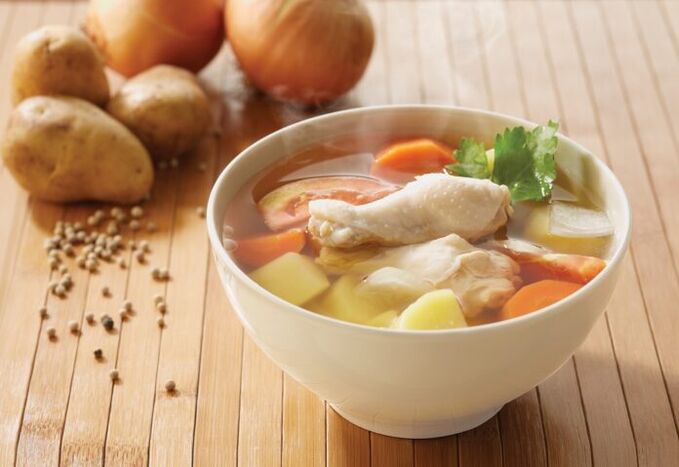
The pancreas is part of the gastrointestinal tract and is also a mixed secretory gland.When food enters the human digestive system, it produces enzymes that are secreted into the duodenum to help break down the food in the intestines.The glands, on the other hand, produce the hormones insulin and glucagon, which enter the bloodstream and maintain normal blood sugar levels.
What is pancreatitis and its forms
Pancreatitis is an inflammation of the pancreas in which the glandular tissue becomes inflamed and the production of necessary enzymes and their passage into the intestines is disrupted.Inflamed glands increase in size and the internal ducts become narrow, preventing digestive juices from entering the duodenum.Enzymes remaining in the gland begin to break down the gland itself, leading to tragic consequences.
There is a type of acute pancreatitis, caused by a poor diet or an inflammatory disease in the body, which does not last long if treated properly.If the influence of irritating factors is persistent or frequent, chronic pancreatitis occurs, which can develop after the acute course.
The treatment of pancreatitis is very complex, and special diet plays an important role in it. Without special diet, the treatment effect is extremely low.
Dietary principles for pancreatitis
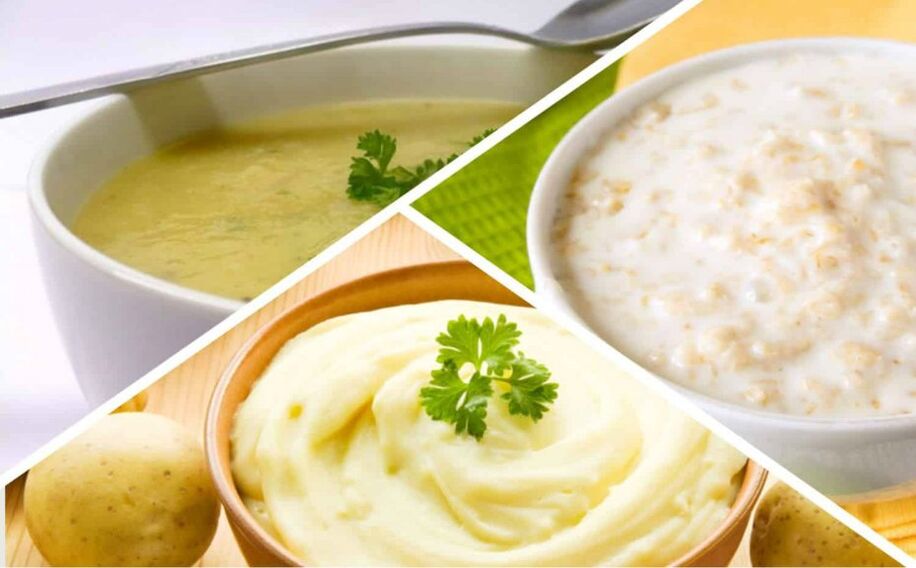
The dietary principle for acute pancreatitis is to generally recommend fasting for the first 3 days.During this time, necessary nutrients are provided through intravenous infusion without irritating the intestines.The introduction of food into the intestines always leads to an increase in the production of digestive enzymes, and in the case of acute inflammation it is important to reduce this activity as much as possible; after a few days, the diet is gradually expanded.At first, you can only drink boiled water. Sometimes you can also drink mineral water, preferably alkaline water or light tea.
Then, for chronic pancreatitis after day 3 and acute pancreatitis after day 5, the following applies:
- Eat at least 5 meals a day to ensure even enzyme release without significant stress and to reduce inflammation;
- Minimize fat and carbohydrate content and increase protein products;
- Eat no more than 150-200 ml at one time;
- Use warm food (crushed or pureed) at 20-60 degrees;
- Chew food thoroughly and take your time;
- Do not drink alcohol with meals and limit salt intake to 4-5 grams per day;
- Eliminate foods that cause gas;
- To save chemicals, spices and spicy seasonings cannot be used;
- Use only boiled or baked foods, not fried, smoked or canned foods.
Dietary characteristics of pancreatitis
It is important to remember that the pancreatitis diet must be followed regularly, otherwise the body will experience repeated inflammatory reactions, the consequences of which will be negative.Acute pancreatitis can be very serious and death cannot be ruled out.
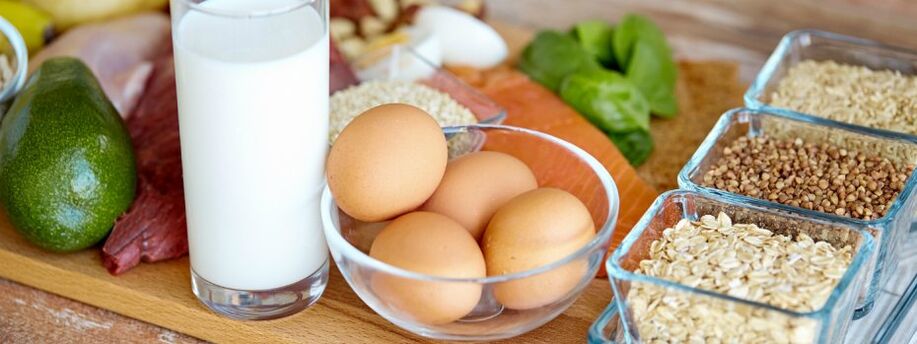
Against the background of an increased proportion of protein products in the diet, the main part should be animals such as turkey, chicken or tender beef.Carbohydrates should be slightly more than 300 grams per day, limit ordinary sugar or jam, keep fat content to a minimum, and protein products should account for more than half of the diet.
Foods allowed and prohibited in the gastropancreatitis diet
There are many foods allowed in the diet for gastropancreatitis, so the diet can be as diverse as possible:
- Boil or grill rabbit, veal, and poultry (low-fat), boil tongue;
- Lean fish, such as cod or cod, boiled, grilled, or made into soufflés;
- A variety of grains, preferably rice or oatmeal as part of porridge, soup or casseroles;
- Bread, biscuits, boiled pasta after oven drying;
- Milk and lactic acid products, diluted with low fat content, as main products or as additions to cheese casseroles, meal cheeses and skim cheeses;
- Boiled or roasted vegetables - potatoes and squash, root vegetables, beets or carrots, fresh squash;
- Eggs in omelette or casserole form (whites only), appropriate amount of vegetable oil;
- Ripe unsweetened or oven-cooked fruit, jellies or berry purees;
- Light drinks, diluted juices, rosehip drinks.
In the diet during an acute attack of pancreatitis, the following foods are prohibited:
- Fried or roasted, all offal; mutton or goose, lard and bacon, stewed in a pot;
- Pickled seafood, rich fish soup or canned food;
- Dishes prepared with beans and purees;
- fresh bread, baked goods, fried pies;
- Lots of natural fatty acids Cream, cream, skim milk;
- Garlic, mushrooms, and radishes are strictly prohibited (radishes and fresh vegetables are limited);
- Egg yolks and fresh natural butter;
- Plenty of fresh sweet fruit, cabbage and sorrel;
- Coffee, strong tea, concentrated lemonade and any carbonated beverage, alcohol of any strength or energy;
- Ice cream, custard, chocolate, any cake;
- Hot spices, marinades, sausages and bacon.
Diet taboos for pancreatitis
Taking into account the dietary characteristics of gastropancreatitis, it also has contraindications.
They concern patients with kidney disease or protein metabolism disorders:
- Pyelonephritis or glomerulonephritis with decompensation process;
- Patients with urolithiasis;
- acute or chronic renal failure;
- In the case of gout and purine base metabolism disorders;
- Presence of multiple myeloma;
- Hormone imbalance or thyroid problem;
- For precancerous background diseases, because excess protein has the risk of causing malignant tumors;
- Severe obesity or diabetes, especially diabetic nephropathy, which is kidney damage.
By increasing the content of protein products in the diet, the burden on the kidneys increases, and in the presence of chronic diseases, the work of the kidneys is disrupted.
Pancreatitis Diet: This Week's Menu
Let's consider a sample dietary menu for a week with acute or chronic pancreatitis.
Monday
- breakfast.Buckwheat flour and chicken breast porridge.Curd pudding, weak tea.
- Lunch.Fruit puree, whipped in a blender, cookies.
- dinner.Creamy rice soup, steamed veal fillet, apricot jelly.
- snack.Carrot casserole with tea.
- dinner.Fish sauce with oatmeal.Apple preserves.
- before going to bed.Gooseberry juice.
Tuesday
- breakfast.Mashed potatoes with beef mash.Biscuits and fruit tea.
- Lunch.Protein omelet, carrot puree.
- dinner.Buckwheat flour soup with rabbit meatballs.Zucchini casserole, light tea.
- snack.Grated beet salad, juice and bread crumbs.
- dinner.Steamed turkey steak with rice porridge.Apple jelly.
- before going to bed.Rose juice.
Wednesday
- breakfast.Oatmeal has no added sugar.Carrot casserole with tea.
- Lunch.Baked apples with biscuits and apricot juice.
- dinner.Hake soup, mashed potatoes with sour cream.Pear jelly with croutons.
- snack.Zucchini casserole with tea and cookies.
- dinner.Steamed rabbit slices with buckwheat puree porridge.Gooseberry preserves.
- before going to bed.A cup of kefir.
Thursday
- breakfast.Rice pudding with boiled beef.Tea and biscuits.
- Lunch.Boiled beet salad with yogurt and crackers.
- dinner.The soup is light chicken soup and buckwheat.Vegetable meatballs, jelly.
- snack.Cheese with skim sour cream, tea with marshmallows.
- dinner.Vegetable casserole with cod.Dried fruit preserves.
- before going to bed.Apple juice.
Friday
- breakfast.Crushed oatmeal with steamed beef slices.Tea with fruit pudding.
- Lunch.Steamed fish meatballs, apple jelly.
- dinner.Rabbit meat soup.Pumpkin casserole with sour cream and tea without sugar.
- snack.Egg white omelette with apple juice.
- dinner.Turkey rolls and stewed vegetables.Tea and biscuits.
- before going to bed.Ryazhenka is low in fat.
Saturday
- breakfast.Boil pasta with chicken sauce.Unsweetened tea.
- Lunch.Pumpkin porridge with unsweetened yogurt.
- dinner.Pumpkin and veal puree soup.Zucchini stew and cranberry jelly.
- snack.Apple puree, a cup of kefir.
- dinner.Steamed fish fillet with oatmeal.Tea with biscuits.
- before going to bed.Apricot preserves.
Sunday
- breakfast.Casserole with beef and vegetables.Ryazhenka with cookies.
- Lunch.Curd pudding and puree.
- dinner.Pumpkin and potato soup.Chicken meatballs with oatmeal.Fresh fruit preserves.
- snack.Carrot pudding with unsweetened tea.
- dinner.Hake and Zucchini Casserole.Apple jelly.
- before going to bed.Freshly fermented baked milk.
When making menus and preparing food you need to remember that the products must be fresh and the cooking method must be boiled or grilled.It is not recommended to combine different proteins at once, it is recommended to consume them in small amounts to reduce the load on the pancreas.
Diet for Pancreatitis: What a Nutritionist Says
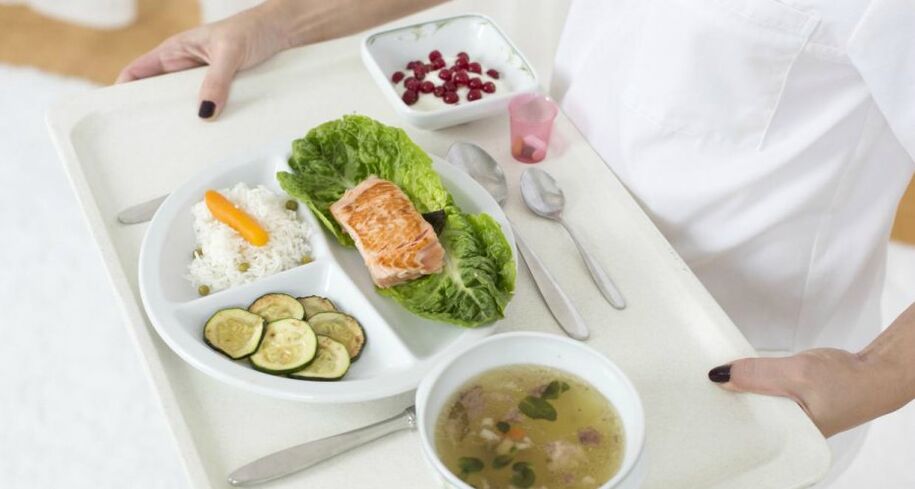
Feedback from nutritionists on the pancreatitis diet is as follows.Its main details are aimed at reducing the food load of the glands and reducing the production of digestive juices, which support inflammation.In addition to these effects, this diet prevents diseases of the liver and biliary tract, since it normalizes the frequency of bile secretion into the intestines.However, against the background of restrictions, one should remember that the diet contains enough vitamins to avoid vitamin deficiencies.
If a patient's body lacks its own enzymes, the absorption of nutrients from food is reduced.To correct the absorption of nutrients, preparations in the form of granules or capsules containing the necessary enzymes are used.Special medicinal capsules stimulate the action of enzymes in specific parts of the digestive system for maximum results.
In acute pancreatitis, it is important to grind food to the maximum extent possible, but in chronic pancreatitis, in order to maintain the physiological function of the digestive tract, food should not be chopped or mashed thoroughly, although heat treatment should not be fried or grilled.The more balanced the diet, the less likely it is that adverse consequences will occur.If you have acute pancreatitis, the diet should be followed for at least 2-3 months; if you have a chronic disease, it is recommended to follow it for life.